
The Evolution of Global Chatrooms: From IRC and BBS to Modern Real-Time Spaces
An in-depth exploration of how text and audio communication evolved from dial-up BBS to modern real-time WebRTC platforms, and why open rooms are thriving again.
Browse 20 comprehensive research guides on digital communication, metadata privacy, cross-cultural netiquette, real-time protocols, and internet safety written by industry specialists.
Trace why corporate real-name mandates failed to stop online toxicity, how sovereign pseudonymous reputation protects intellectual exploration and mental wellness, and the technological rise of cryptographic zero-knowledge social spaces.
High-throughput WebSockets, WebRTC codecs, decentralized federation, and botnet defenses.
Combatting isolation, late-night chronobiology, neuroacoustic entrainment, and mindful chat.
AI moderation pipelines, WCAG 2.2 AAA accessibility, youth safety, and constructive debate.
Cross-cultural Hofstede dynamics, language tandem acquisition, and virtual coworking.
An in-depth exploration of how text and audio communication evolved from dial-up BBS to modern real-time WebRTC platforms, and why open rooms are thriving again.
How high-context vs. low-context nuances, indirect cues, humor disparities, and international time-zones impact multiplayer discussions.
A technical blueprint for internet anonymity, IP masking, preventing browser fingerprinting, and avoiding social engineering traps.
A deep look behind the scenes at automated real-time heuristic filters, spam rate limiting, and the irreplaceable role of human community moderators.
How polyglots and casual learners use real-time conversational channels with native speakers to acquire idioms, slang, and instinctive fluency.
Investigating the epidemic of social isolation in an era of hyper-connected feeds, and why interest-first pseudonymous chat provides emotional relief.
Analyzing conversational velocity, vocal tone nuances, background multitasking, and why modern platforms thrive with dual text and audio tiers.
The definitive guide to online conversational courtesy: caps lock etiquette, emoji interpretations across continents, ping manners, and voice stage discipline.
Strategies for creating supportive digital spaces for young people, combating cyberbullying, fostering resilience, and establishing healthy digital boundaries.
Why shared synchronized low-fidelity audio streams improve focus, reduce cortisol spikes, and create a shared sense of presence among remote digital workers.
Why corporate real-name mandates failed, how sovereign pseudonyms protect mental wellness, and the emergence of cryptographic zero-knowledge proofs.
Circadian disinhibition, hypofrontality, physical quietude, and why nocturnal digital spaces strip away social armor to reveal genuine human empathy.
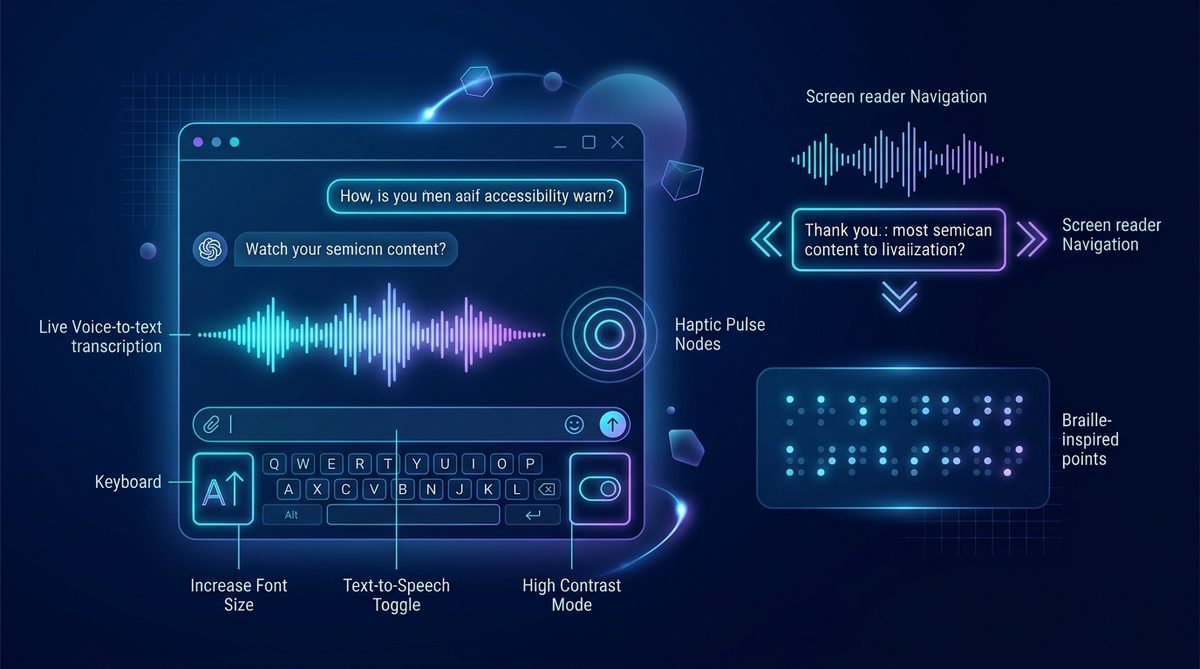
ARIA live region management, deaf-inclusive voice stage backchannels, neurodivergent calming design, and high-velocity screen reader optimization.
The sociotechnical science of designing reputation systems that encourage mentorship and stewardship without creating toxic karma farming or status hierarchies.
Token-bucket algorithms, canonical Unicode decomposition, passive behavioral heuristics, and micro-PoW challenges for edge WebSocket defense.
Field manual for emceeing live WebRTC audio stages, overcoming stage fright, orchestrating speaker queues, and harnessing synchronized text cheerleading.
How to overcome dopamine exhaustion and cortisol spikes through bounded synchronous conversations and low-stimulation digital sanctuaries.
Overcoming corporate chat fatigue, establishing ambient virtual coworking desks, and cross-pollinating ideas across global distributed timezones.
Comparing IRC, XMPP, Matrix, ActivityPub, WebSockets, and WebRTC, and examining why open web standards outperform proprietary corporate silos.
How to practice steelmanning, overcome cognitive bias, ban logical fallacies, and conduct Socratic dialogue in high-velocity real-time chatrooms.