🎤 Emcee's Golden Rule
A great virtual voice stage is 20% technology and 80% emotional hospitality. The host sets the temperature of the room: when the emcee models patience, active listening, and gracious warmth, participants gladly step up to share their voices.
1. The Digital Town Square Reimagined
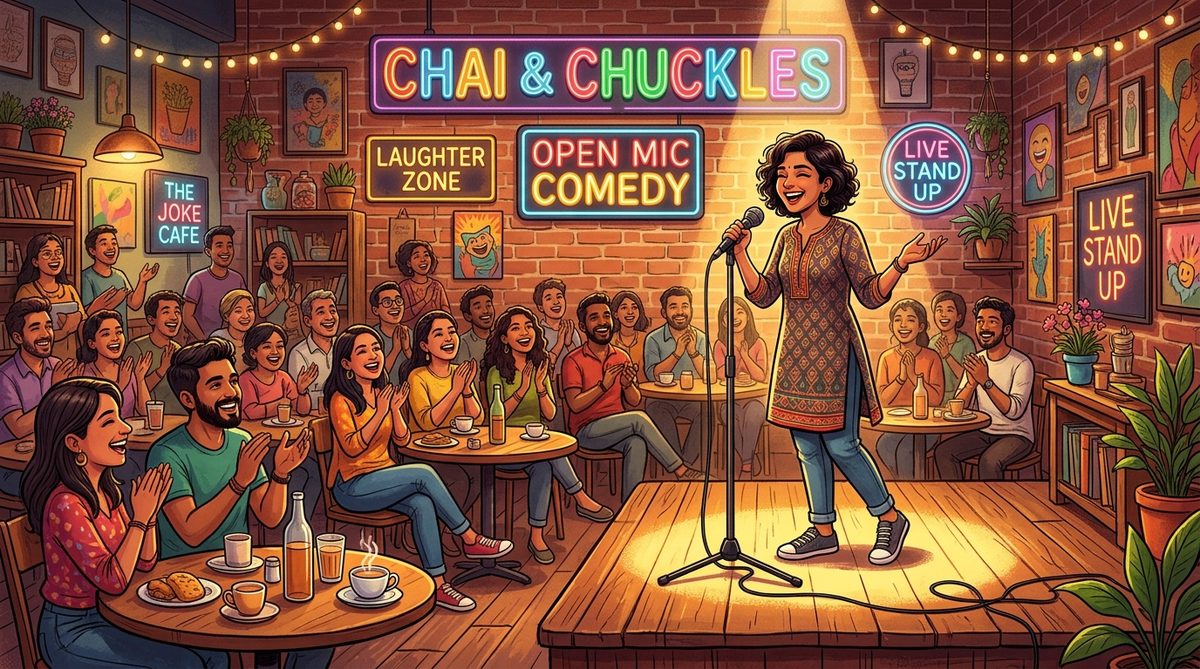
For centuries, the open-mic was a beloved cultural staple of bohemian coffee houses, underground comedy clubs, and local college lounges. It was an unpretentious, egalitarian space where an aspiring poet, a nervous acoustic guitarist, or an amateur stand-up comedian could take the stage for five minutes before a supportive audience.
With the rise of real-time browser audio platforms like Socioverse, the open-mic has transcended physical geography. An acoustic songwriter in Dublin can perform an original ballad for a live audience spanning Tokyo, Toronto, and Buenos Aires. Yet hosting a seamless virtual voice stage requires mastering a delicate set of technical and social dynamics.
2. Pre-Event Architecture: Setup & Rules
The difference between a triumphant voice hangout and an awkward, chaotic failure lies in pre-event preparation:
- Clear Time Limits: Announce slot durations upfront (e.g., "3 to 5 minutes per speaker"). Without explicit limits, the first talkative member will inadvertently monopolize 35 minutes.
- Genre & Content Guidelines: Clarify whether the stage is an open-theme hangout, an acoustic music showcase, a comedy jam, or a technical debate.
- Designated Co-Hosts: Never host an event alone. Pair an Emcee (who focuses on speaking and engaging guests) with a Technical Moderator (who manages the mic queue, mutes background noise, and monitors text chat).
3. Emceeing Dynamics: Managing the Speaking Floor
The host is the emotional anchor of the stage. Follow these emceeing best practices:
- Banish the Dead Air: When transitioning between speakers, keep the energy flowing. Summarize a highlight from the previous performer: "That second verse was incredible, Alex! Next up, let's bring Maya to the stage from Melbourne."
- The Warm Welcome: Acknowledge newly unmuted speakers immediately: "Hey Maya, we can hear you loud and clear, take it away whenever you're ready!" This dissipates stage fright instantly.
- The Gentle Wrap-Up: If a speaker exceeds their time limit, intervene gracefully: "Maya, that was fantastic—let's give a huge round of applause in the text chat! To keep our queue moving for everyone, let's welcome our next guest."
4. WebRTC Audio Hygiene & Headphone Etiquette
Poor audio quality is the number one reason audience members leave voice rooms:
- The Headphone Mandate: Speakers must wear headphones or earbuds. Using open laptop speakers while speaking into a built-in microphone creates an acoustic feedback loop that ruins the stream for everyone.
- Mute Discipline: Encourage participants to keep their microphones muted whenever they are not actively speaking.
- Browser Audio Processing: Socioverse's WebRTC implementation applies automatic acoustic echo cancellation (AEC) and noise suppression directly inside the browser.
5. Neutralizing Hecklers & Trolls Gracefully
Occasionally, a bad actor may request the microphone only to blast disruptive soundboards, screams, or offensive slurs.
Handle disruptions with zero hesitation and zero drama:
- The co-host clicks the offender's handle and selects "Revoke Stage & Ban" in under 2 seconds.
- The emcee never engages, argues, or displays anger. A calm, one-sentence transition is all that is required: "And continuing right along with our music showcase, let's welcome Sarah!"
- Deprived of an emotional reaction, trolls lose all motivation and move on.
6. Harnessing the Synchronized Text Backchannel
In a physical auditorium, audience members cannot talk while a performer is on stage without being rude. In a Socioverse voice lounge, the synchronized text backchannel is a superpower:
- Audience members flood the chat with clapping emojis (👏👏👏), flame reactions (🔥), and encouraging comments in real time.
- The performer sees immediate visual love without audio interference.
- Shy participants who do not wish to speak on the microphone feel like active, valued members of the crowd.
7. The 10-Point Voice Event Checklist
- Schedule the event across convenient weekend timezone intersections.
- Test audio levels and microphone inputs 15 minutes before showtime.
- Appoint at least one dedicated co-moderator for queue management.
- Post clear stage rules and time limits in the channel topic.
- Emphasize headphone usage for all stage speakers.
- Keep stage queues orderly with a strict first-come, first-served policy.
- Encourage audience participation in the real-time text backchannel.
- Have emergency transition banter prepared for brief technical pauses.
- Thank every performer sincerely and celebrate creative courage.
- End on a high note while the room is energized and announce the next session.
10. WebRTC Audio Engineering: High-Fidelity Music Mode vs. Speech Algorithms
Hosting a successful virtual open mic requires overcoming a fundamental audio engineering obstacle: standard browser WebRTC configurations are aggressively optimized for conversational speech rather than musical instruments. Built-in Acoustic Echo Cancellation (AEC), Automatic Gain Control (AGC), and aggressive noise gates interpret sustained guitar notes, violin vibrato, and dynamic vocal crescendos as background noise, aggressively suppressing or distorting them into harsh artifacts.
Socioverse open mic stages deploy a specialized Live Performance Audio Engine. When a performer steps onto the virtual stage, our frontend automatically toggles browser audio constraints:
echoCancellation: false— Disables synthetic ducking, allowing sustained acoustic reverb.autoGainControl: false— Preserves natural performer dynamics from delicate fingerpicking to powerful choruses.noiseSuppression: false— Permits subtle musical undertones and ambient harmonics to breathe.channelCount: 2— Enables 128 kbps fullband stereo streaming via the Opus codec (RFC 6716).
11. Virtual Stage Turn-Taking: The Green Room and Queue Mechanics
In a physical comedy club or acoustic coffeehouse, the master of ceremonies (emcee) orchestrates the evening through an organized performer lineup. Online open mics that permit uncoordinated, free-for-all microphone unmutes quickly collapse into acoustic chaos, cross-talk, and awkward pauses.
Socioverse open mics utilize a Three-Tier Stage Architecture:
- The Audience Floor: Members enjoy stereo sound, post real-time chat applause, and trigger soundboard reactions.
- The Green Room (Backstage Queue): Performers waiting in line perform private audio checks, calibrate input gain levels, and receive queue position updates from the host.
- The Center Stage: Only one performer (or collaborative duet) holds broadcast rights, ensuring undivided audience attention and flawless acoustic clarity.
12. Audience Feedback Architecture: The Art of Digital Clapping
Live performers thrive on real-time sensory feedback—applause, laughter, and gasps of awe. In digital spaces where audience members are muted to prevent background howl, performers can feel as though they are singing into an empty void.
To recreate live stage energy, Socioverse open mics feature dynamic visual and haptic feedback. Audience members trigger synchronized visual applause waves (`👏`, `🔥`, `❤️`), subtle heart cascades, and low-latency audio soundboards (pre-recorded crowd cheers, jazz snaps, and soft rimshots). Furthermore, performer viewports feature a live "Acoustic Warmth Meter" that visualizes the collective audience engagement in real time.
13. Psychological Safety and Stage Fright De-escalation
Stepping onto an open mic stage—whether sharing an original poem, trying out standup comedy jokes, or singing an acoustic ballad—is an act of profound vulnerability. Fear of public ridicule (glossophobia) prevents millions of talented creators from ever sharing their gifts.
Our host guidelines mandate a culture of unconditional constructive affirmation. Heckling, bad-faith critique, or mocking commentary in the companion chat results in instant guardian intervention. Emcees frame every performance as a celebration of courage, establishing a supportive space where amateur creators can take creative risks without fear of humiliation.
14. Acoustic Calibration Guide: Setting Up a Budget Home Stage
You do not need a multimillion-dollar recording studio to sound magnificent on a virtual stage. Understanding basic acoustic physics allows any performer to optimize their sound using affordable everyday equipment:
- Dynamic vs. Condenser Microphones: In an untreated bedroom or living room, a dynamic microphone (such as the Shure SM58 or Samson Q2U) is often superior to a sensitive condenser mic. Dynamic capsules naturally reject distant room reflections, street traffic noise, and computer cooling fans, capturing crisp, focused vocal tone.
- The Proximity Effect: Speaking or singing within 2 to 4 inches of the microphone capsule boosts warm low-end frequencies, giving spoken word and acoustic vocals a rich, intimate broadcast presence.
- Soft Surface Acoustic Absorption: Hard surfaces (bare walls, glass windows, wooden floors) create slapback flutter echoes. Performing facing a heavy curtain, a filled bookcase, or an open clothes closet dramatically dampens reflections, delivering dry, studio-quality sound.
15. Archiving with Consent: Creative Sovereignty and Ephemeral Art
In many commercial platforms, performers' creative works are automatically captured, indexed, and monetized without transparent royalties or explicit licensing agreements. Socioverse upholds absolute performer sovereignty: our open mic stages operate under an Ephemeral-by-Default principle.
Live stages are never recorded or archived without the prior, written cryptographic consent of every performer who took the stage that evening. If an artist wishes their performance to be broadcast into the eternal digital ether, we provide high-fidelity lossless FLAC downloads directly to the creator, leaving distribution decisions entirely in their hands.
8. Frequently Asked Questions
Our distributed WebRTC media relays support up to 10 active stage speakers simultaneously, with hundreds of concurrent listeners tuned in across the channel.
Yes, provided you give clear notice to all participants at the start of the session and obtain verbal consent from all speakers in accordance with our Community Guidelines and local wiretapping laws.
What hardware do I need to perform in an online open mic?
A basic USB condenser microphone (such as a Blue Yeti or Audio-Technica AT2020) and a pair of wired headphones are ideal. Headphones are mandatory to prevent your microphone from picking up the stage audio stream, which creates feedback loops. Even standard smartphone wired earbuds deliver surprisingly good vocal quality when positioned properly.
Can two musicians perform a live duet simultaneously over WebRTC?
Due to physical speed-of-light constraints across fiber optic cables, trans-continental latency (typically 50 to 150 ms) makes tight musical synchronization difficult for fast-tempo music. For synchronized duets, we recommend performers share a local physical room or utilize specialized low-latency peer protocols like Jamulus or Soundjack alongside the Socioverse stage.
How long are typical performance slots in Socioverse open mic events?
Standard slots are 5 to 7 minutes (typically two songs, two poems, or a comedy set), followed by 1 minute of host banter and audience tributes while the next performer prepares their audio. This brisk pacing keeps events lively and ensures 8 to 10 performers can take the stage in a single 90-minute evening salon.
🎭 Performer Empowerment Network
Our global open mic community connects emerging singer-songwriters, poets, and standup comedians across 40 countries. By pairing low-latency WebRTC stereo stages with an uplifting audience culture, Socioverse offers creators a launchpad to build confidence, hone stagecraft, and discover lifelong artistic collaborators.
Can audience members tip performers or purchase their independent music?
Yes! Performers can pin verified links to their Bandcamp, personal Patreon, or open-source tip jars in the room description during their set. Socioverse takes zero commission fees from artist tips, supporting grassroots independent creators directly.
Related Research & Interconnected Guides
Voice Lounges vs. Text Channels: Cognitive Load and Community Dynamics
The Science of Ambient Audio: How Synced Lo-Fi Beats Enhance Focus and Camaraderie
Universal Netiquette for Global Digital Citizens: The Essential 2026 Handbook
📜 Academic Citation & Archival Metadata
APA Reference: Aisha Al-Mansoor. (2026). The Art of Hosting Virtual Open-Mics & Voice Hangouts: An Organizer's Field Guide. Socioverse Research Library, Vol. 4, Issue 2.
Permanent Archival URI: https://www.socioverse.me/blog/the-art-of-hosting-online-open-mics/
Digital Object Identifier (URN): urn:socioverse:research:the-art-of-hosting-online-open-mics